Incidental Movement and Energy Expenditure
Published: February 2026 • Educational Content
Introduction
Beyond structured exercise, daily incidental movement—the non-exercise activity that comprises walking, climbing stairs, occupational movement, and general fidgeting—contributes to overall daily energy expenditure. This article explores general observations on how incidental movement variety relates to energy dynamics in populations.
Defining Incidental Activity
Incidental or non-exercise movement includes all activity outside structured exercise: occupational movement, transportation, household tasks, fidgeting, and spontaneous activity. This category comprises a substantial proportion of daily energy expenditure for most people. Population studies suggest incidental movement varies widely based on occupation and lifestyle.
Occupational Movement Patterns
Jobs differ dramatically in required movement. Physical occupations (construction, nursing, retail) involve substantial incidental activity, while desk-based work involves minimal movement. Research documents that occupational activity significantly influences total daily energy expenditure. This represents a major lifestyle factor affecting energy balance.
Daily Lifestyle Activity Variation
Beyond work, daily living involves movement variation: walking for transportation, household activities, shopping, socialising. Individuals with car-dependent lifestyles generally experience less incidental movement than those using public transport or walking. These patterns appear in population data.
Sedentary Behaviour and Health
Research documents associations between prolonged sedentary behaviour and various metabolic markers. Extended sitting periods interrupt incidental movement and relate to metabolic changes in population studies. Breaking up sedentary time with brief movement appears associated with different metabolic responses.
Technology and Movement
Increased screen time and technology use correlates with reduced incidental movement in modern populations. Remote work, entertainment technology, and sedentary leisure activities all influence daily movement patterns. Population trends show decreasing incidental activity across developed nations.
Environment and Activity Opportunities
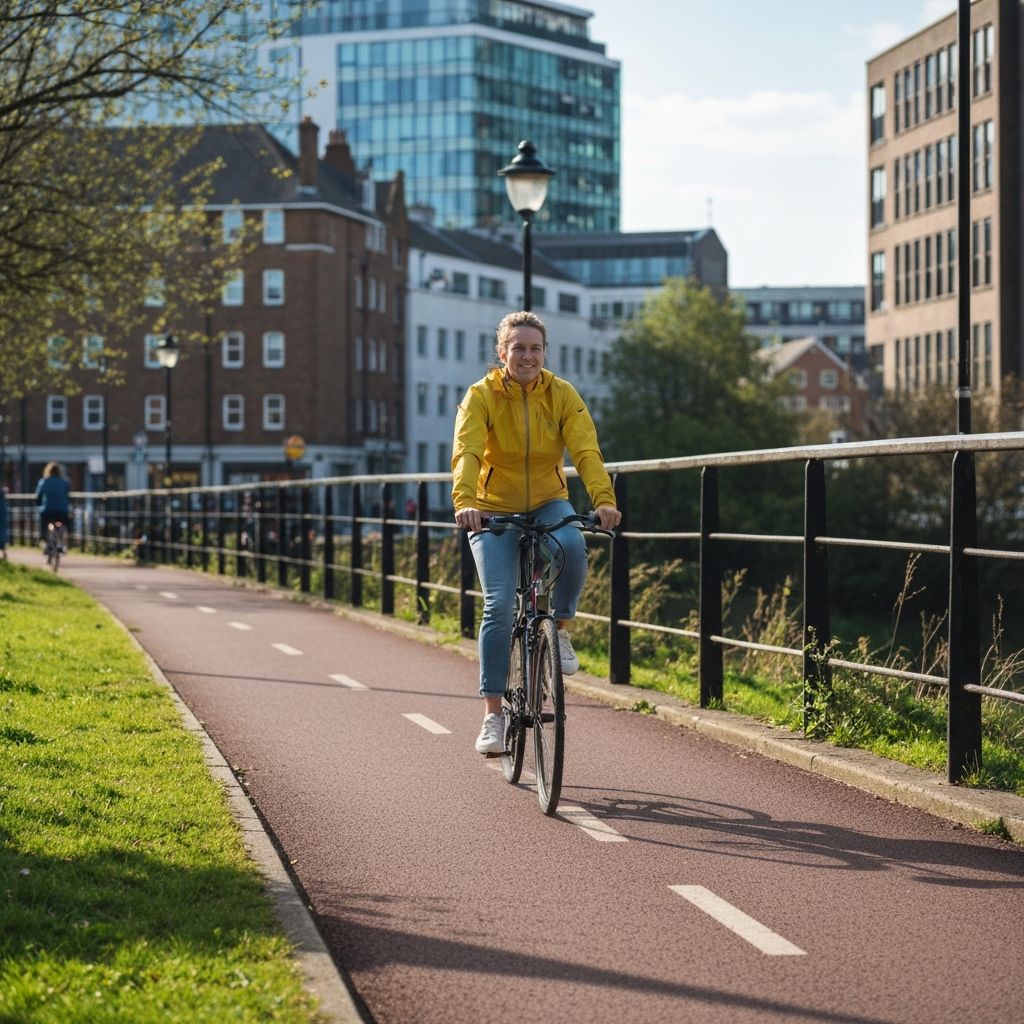
Built environment design influences incidental movement. Walkable neighbourhoods, accessible stairs, and outdoor space availability all relate to daily activity levels in population studies. Urban design and environmental factors shape movement opportunities.
Age and Incidental Activity
Incidental movement patterns change across the lifespan. Children naturally move more incidentally; occupational activity peaks during working years; retirement often reduces occupational movement. Age significantly influences total daily incidental activity in population data.
Weather and Seasonal Effects
Climate and seasons influence outdoor movement opportunities. Research documents that weather, daylight hours, and seasonal changes correlate with incidental activity variation across populations in different geographic regions.
Non-Exercise Activity Thermogenesis (NEAT)
Scientists term incidental movement energy expenditure as "NEAT" (non-exercise activity thermogenesis). Population studies suggest NEAT varies substantially between individuals—some naturally fidget and move more, others less. This variation appears partially genetic, partially behavioural.
Context: Individual Circumstances Vary
Important Perspective: While population research documents incidental movement patterns, individual circumstances, occupations, health status, and preferences vary enormously. What is feasible for one person may be impractical for another. Movement variety depends on work, geography, health, disability, age, and personal preference. General patterns do not prescribe individual situations.
Key Takeaways
- Incidental movement contributes substantially to daily energy expenditure
- Occupational activity varies dramatically between job types
- Lifestyle and environment influence movement opportunities
- Sedentary behaviour is prevalent in modern developed nations
- Technology use correlates with reduced incidental activity
- Individual NEAT variation is substantial
- Environmental design influences movement opportunities
Final Note
This article presents general observational findings about incidental movement from population research. It is not exercise advice or prescription. Every person's occupational demands, health status, abilities, environment, and circumstances differ. Movement should be individually appropriate and enjoyable. For specific guidance about physical activity, consult healthcare providers or qualified exercise professionals who understand your personal situation.